Farkle Cards
FunCraft GamesCard
4.91.19K Reviews
- Version
- 1.0.26158
- Installs
- 100.00K
- Age Rating
- Everyone
Screenshots



Our Review of Farkle Cards
 Analysis by Appyee
When I’m choosing a small mobile game, I care less about a long feature list than whether I can understand a round quickly, make a meaningful choice, and put the phone down without losing track of what I was doing. Farkle Cards caught my attention because it brings the push-your-luck feel of Farkle into a card game. That mix gives it a different rhythm from a standard matching or trick-taking game, though it will suit some players much better than others.
It’s a free card game from FunCraft Games, with optional in-app purchases ranging from $0.99 to $49.99 per item. It’s rated for Everyone, and the game is currently version 1.0.24574, with Android 7.0 as the minimum operating system. Its average rating is 4.9 from around 12,000 ratings, and it has passed 100,000 installs. Those figures suggest a strong reception, but the more useful question for me is whether its particular blend of chance and decision-making fits the way you like to play.
What kind of player will enjoy the decision?
If you like deciding whether a promising turn is worth extending, this game has an easy appeal. The central tension is familiar: secure points now or risk trying for more. That choice makes a hand feel active even when chance is doing much of the work. I’d recommend it first to people who enjoy casual games with a small strategic question at the heart of each round, rather than players looking for a campaign, a deep collection system, or a story to follow.
A useful way to judge the fit is to ask whether you enjoy making the same kind of decision under changing circumstances. If you do, the risk-and-reward loop can keep a short session interesting. If you prefer games where planning consistently outweighs luck, the random element may feel like it has too much influence. It is still a light diversion, not a substitute for a more involved strategy game.
The Thrill of the Roll, in Card Form
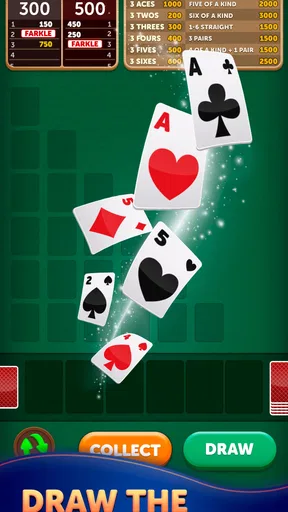
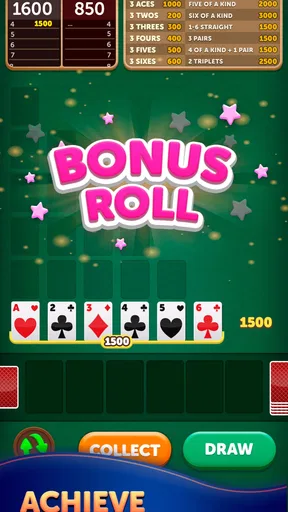
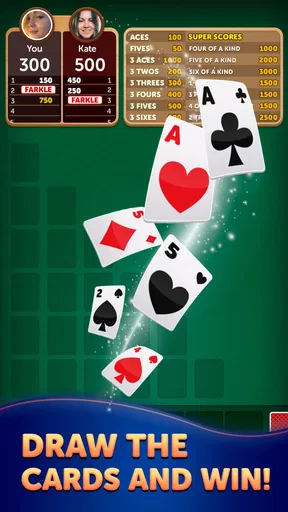
First off, let’s talk about how Farkle Cards works. The game cleverly combines the unpredictability of dice rolls with the strategic fun of card games. Each card represents a different dice roll outcome, and your mission is to score as many points as possible by forming combos. Sounds fun, right?
I was immediately drawn to the simplicity of the game mechanics. You know how some games make you jump through hoops just to understand the basics? Not this one. The learning curve is pretty gentle, making it perfect for quick sessions or long marathons, depending on what you’re in the mood for.
Gameplay and Features
When you start playing, you’ll notice that the game isn’t just about luck. Strategy plays a huge role. You have to decide when to bank your points and when to take a risk to go for more. It’s this balance that keeps you on your toes.
The interface is smooth and intuitive. I mean, navigating through the game is a breeze. The developers did a solid job keeping the visuals clean and straightforward. No flashy distractions, just pure gaming goodness. But what really caught my eye were the little touches, like the satisfying sound effects and animations when you score big.
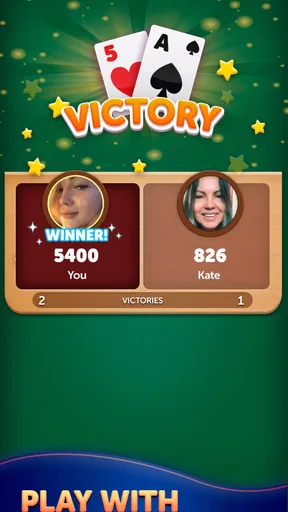
Another cool feature is the multiplayer mode. You can challenge your friends or jump into a game with random opponents. Trust me, there’s nothing like the thrill of beating your buddy at their own game. Plus, the leaderboard adds a competitive edge, making you want to better your score every time.
Playing in everyday gaps—and knowing when to stop
The short-session appeal is easiest to appreciate in ordinary dead time: waiting for a coffee, sitting through a delay, or taking a break between tasks. I’d open a round when I had enough attention to follow the score, but not enough time to settle into a more demanding game. That distinction matters. A quick match can fit a pause in the day; a longer run is better saved for a moment when you won’t feel rushed to leave halfway through.
One practical habit is to decide your stopping point before starting. Because the game invites you to take another risk, it is easy to keep chasing a better result after the moment you meant to stop. I find that setting a simple limit—one match while I wait, for example—keeps the game pleasant rather than turning a brief break into an unplanned time sink. That is especially useful if you tend to get pulled into score-chasing.
For a first session, I’d focus on learning when to bank rather than trying to play aggressively every turn. Notice how the decision feels when you already have a score worth keeping, then compare it with a turn where the potential reward seems worth the gamble. The point is not to find a guaranteed winning formula; chance remains part of the appeal. It is to understand your own appetite for risk, which makes the choices feel more deliberate.
How it compares with other card and dice games
Against a conventional card game built around matching, sequencing, or taking tricks, this one puts more emphasis on managing a risky turn. That makes it a better fit when you want repeated, compact decisions than when you want a broad set of card interactions or a long plan that develops across a match. Compared with a traditional dice game, the card presentation gives the familiar Farkle-style idea a different feel, but it does not remove the uncertainty that makes push-your-luck play exciting.
If you want a quiet solo puzzle with outcomes you can control through careful planning, a dedicated puzzle game may be a better choice. If you want a social tabletop-style contest, a game designed around richer player interaction may give you more to discuss and negotiate. Here, the attraction is more focused: decide whether to protect a score or press your luck, then see how the round turns out. I would choose it for that specific mood, not as a universal replacement for every card game on my phone.
The multiplayer option changes the feel without changing that core decision. Playing with a friend can make each risk more entertaining because you have someone to compare results with; joining random opponents is a straightforward way to make a session feel competitive when nobody you know is available. The leaderboard adds another reason to revisit a score, but it may be a distraction if you prefer games without rankings or performance comparisons.
Small trade-offs that affect the experience
The simple rules are a strength, but they also set expectations: the enjoyment comes from the choices and the changing outcomes, not from steadily unlocking a complex system. Players who need new mechanics, a narrative, or a sense of progression to stay interested may find the central loop repetitive. I’d treat it as a game to return to in short bursts, rather than one that has to become your main mobile hobby.
Sound effects and scoring animations add a little feedback, but they are not the main reason to play. If you usually keep your phone muted, the game’s appeal should still rest on the risk decision and the competition, not on those presentation touches. Likewise, the clean interface helps keep attention on the round, although anyone seeking elaborate visuals or extensive customisation may find the straightforward presentation too restrained.
Because optional purchases are available, I’d also be clear with myself about what I want before spending. The game is free to start, but the purchase range runs from $0.99 to $49.99 per item. I would first play enough to decide whether the basic loop holds my interest, and only consider a purchase if I know exactly what I value about it. That is a sensible approach for any free game with optional spending, especially one whose appeal depends on a repeatable core activity.
Why You’ll Love It
There are a few reasons why Farkle Cards might become your new favorite game. First, it’s incredibly accessible. Whether you’re a casual gamer or a hardcore strategist, there’s something here for you. The game doesn’t demand too much of your time, but it offers enough depth to keep things interesting.
Also, it’s one of those games that you can play anywhere. Waiting in line at the grocery store? Perfect time for a quick round. Long commute? Just whip out your phone and get your Farkle fix. It’s designed for mobile, and it shows.
One thing I adored was how the game encourages risk-taking. It’s all about pushing your luck, and that makes every round exciting. You’ll find yourself cheering or groaning with every card reveal, and that’s the kind of emotional rollercoaster I live for in a game.
Who should choose something else?
I would steer away from it if random outcomes regularly frustrate you, if you want a game that rewards long-term tactical planning above all else, or if your ideal card game depends on deep interaction between players. It is also not the best pick when you only have a moment and would feel annoyed by being interrupted mid-session. A simple game can be easy to learn without being the right game for every break or every player.
For families or mixed-age groups, the Everyone rating is reassuring as a broad content guide, and the rules are approachable enough to make the concept easy to introduce. Still, a shared game works best when everyone enjoys the same blend of luck and risk. I’d explain the bank-or-continue choice before starting, then see whether the group likes the tension; anyone who dislikes chance may be happier with a more planning-led card game.
On Android, the stated minimum operating system is 7.0, so it is worth checking your device’s software before trying to install it. If you are choosing between playing alone and competing, the available multiplayer options offer both a way to challenge friends and the option of random opponents. That makes it easier to find a match for your situation, though the social experience will naturally depend on whether you want a familiar rival or an unpredictable one.
Final Thoughts
All in all, Farkle Cards is a delightful addition to the card game genre. It’s a game that doesn’t take itself too seriously but offers enough challenge to keep you coming back. Whether you’re a fan of the original dice game or just looking for something new to try, I highly recommend giving this one a shot.
So, go ahead, download it, and see if you can master the art of Farkle. Who knows, you might just find your new favorite pastime. Happy playing!
Verdict
Strengths of Farkle Cards
- Engaging gameplay with strategic elements.
- Easy-to-understand rules for beginners.
- Quick rounds fit into short breaks.
- Offline mode available for solo play.
- Colorful graphics enhance the experience.
Limitations of Farkle Cards
- Ads can be intrusive during gameplay.
- Requires internet for multiplayer mode.
- Limited customization options available.
- Frequent pop-ups can disrupt flow.
- No tutorial for advanced strategies.
Other Releases by FunCraft Games
View All


Similar Picks in This Category
View All
Solitaire - Classic Card Games
MobilityWare4.6

UNO!™
Mattel163 Limited4.3

Spider Solitaire: Card Games
MobilityWare4.6

Solitaire.com - Classic Cards
Tripledot Studios Limited4.7

Plants vs. Zombies™ Heroes
ELECTRONIC ARTS4.1

Hearthstone
Blizzard Entertainment, Inc.4.1
Frequently Asked Questions
What is Farkle Cards and how is it different from traditional Farkle?
Farkle Cards is a unique twist on the classic dice game Farkle, where instead of rolling dice, players use cards to achieve scoring combinations. This version offers a strategic layer as players must decide which cards to keep and which to play, making it an engaging alternative to the traditional dice-based gameplay.
Is Farkle Cards available for both Android and iOS devices?
Yes, Farkle Cards is available for download on both Android and iOS platforms. Users can find the app on the Google Play Store for Android devices and the Apple App Store for iOS devices, ensuring accessibility for a wide range of smartphone and tablet users.
Does Farkle Cards require an internet connection to play?
Farkle Cards can be enjoyed both online and offline. While an internet connection enhances the experience by enabling multiplayer modes and leaderboards, players can still enjoy single-player gameplay without being connected, making it convenient for use during travel or when the internet is unavailable.
Are there in-app purchases in Farkle Cards?
Yes, Farkle Cards includes in-app purchases. These often allow players to buy additional features, remove ads, or acquire special items and cards that enhance gameplay. However, the game can still be enjoyed fully without any purchases, offering a balanced experience for all players.
What age group is Farkle Cards suitable for?
Farkle Cards is suitable for players aged 12 and up. The game’s simple rules and strategic elements make it enjoyable for both teenagers and adults. Parents can feel assured that the content is family-friendly, encouraging critical thinking and strategy development.
Play our best games!


